Traditional Chinese Medicine: a holistic view of balance and wellbeing
An educational overview of a diverse tradition that includes Chinese herbal medicine, acupuncture, movement practices and traditional principles of daily living.
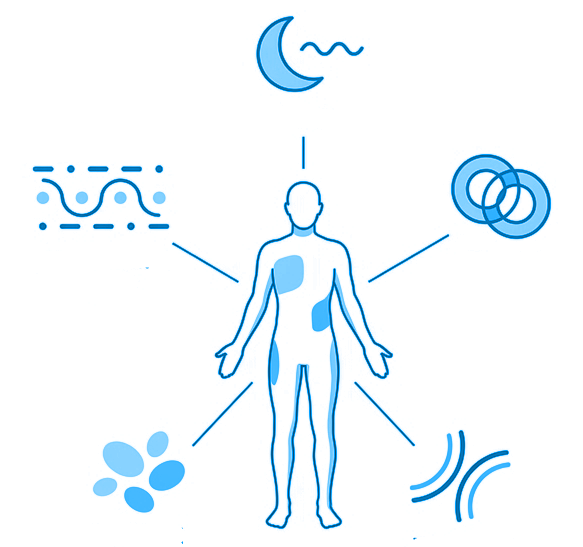
Traditional Chinese Medicine (TCM) offers a way of understanding the human body that has developed over many centuries. It considers relationships among different bodily functions, daily habits and the ways a person interacts with their environment.
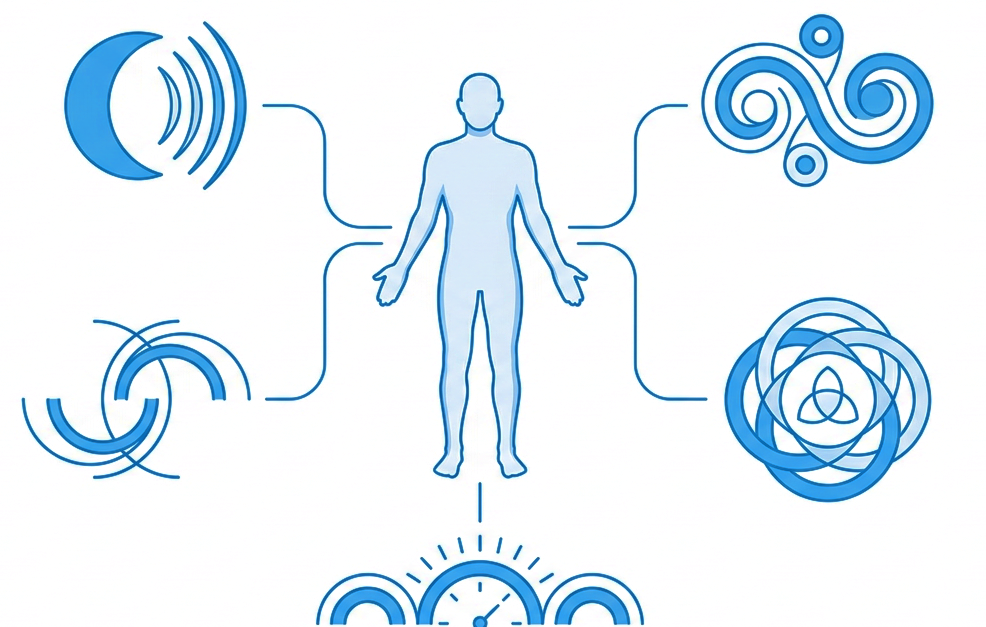
TCM brings together several complementary disciplines, including Chinese herbal medicine, acupuncture, movement practices and traditional principles of daily living.
My education in East Asian medicine led me to study this tradition as a whole, with a particular interest in Chinese herbal medicine and the principles behind combining medicinal substances in traditional formulas.
A holistic view of the person
Traditional Chinese Medicine is based on a systemic view of life. It considers relationships among activity, rest, food, emotions and the rhythms of daily life.
The concepts of Qi, Yin and Yang are fundamental to this traditional system of thought. They offer a historical way to describe the dynamics of life, complementary qualities and balance.
These concepts belong to a historical theoretical framework and do not map directly onto physiological mechanisms defined by contemporary science. They can, however, help explain the internal logic of Chinese medicine and its whole-person perspective.
Chinese herbal medicine: a central discipline
Chinese herbal medicine has a central place in the Chinese medical tradition. It draws on extensive traditional knowledge of medicinal substances, mainly plants, and the properties attributed to them within that tradition.
One of its distinctive features is formula design. Rather than considering each plant in isolation, Chinese herbal medicine uses combinations organized according to specific principles. Substances are combined according to their different roles within a formula.
There is a large body of classical formulas. Studying them requires detailed knowledge of medicinal substances, their combinations and the traditional principles that guide their composition.
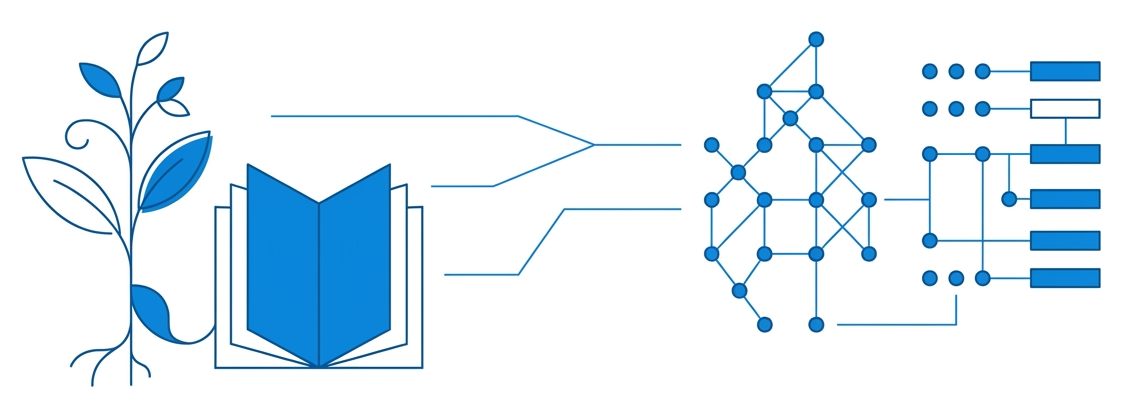
I teach Chinese herbal medicine in the United States. I have also developed digital tools devoted to the subject, including Book of Modules, a clinical application, and the Dui Yao Interactive Modules, which support interactive study of traditional substance pairings.
These projects extend my work in study, teaching and the organization of knowledge in Chinese herbal medicine. They also explore how digital tools can make this complex subject more accessible.
Chinese herbal medicine reflects the depth of a tradition that goes beyond the use of individual plants. It is a system of knowledge, classification and formula design.
Acupuncture and energetic balance
Acupuncture is another major historical discipline within Traditional Chinese Medicine. Its traditional framework includes maps of points and pathways, alongside concepts such as Qi, Yin and Yang.
Within the theoretical framework of TCM, acupuncture is intended to influence energetic balance as described by the tradition.
Chinese herbal medicine and acupuncture share some conceptual foundations while using different methods. Together, they illustrate the range of disciplines developed within Chinese medicine.
In France, the practice of acupuncture is subject to a specific legal framework. It is therefore important to distinguish learning about the discipline and its traditional principles from performing the corresponding procedures.
Daily life and movement practices
Traditional Chinese Medicine also gives attention to everyday habits: food, sleep, physical activity, breathing, rest and adapting to daily rhythms.
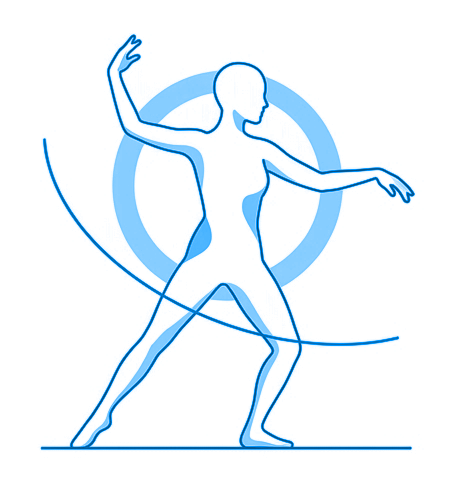
Traditional movement practices such as Qi Gong and Tai Chi combine movement, breathing and body awareness. They can be part of a general approach to wellbeing and maintaining physical activity.
These dimensions are a reminder that balance does not depend on a single intervention, but on many factors that interact in everyday life.
Tradition and contemporary knowledge
Traditional Chinese Medicine and contemporary biomedical sciences use different conceptual frameworks. Bringing them into conversation requires distinguishing traditional models and historical observations from findings produced by scientific research.
Some substances and practices are studied today, with varying levels of evidence depending on the preparations, indications and outcomes being evaluated. Traditional use alone does not establish clinical effectiveness.
A careful approach recognizes the cultural and historical contributions of TCM while also considering available evidence, possible risks and the limitations of each method.
A complementary and individualized perspective
Understanding Traditional Chinese Medicine means encountering a diverse tradition that brings together herbal medicine, acupuncture, movement practices and principles of daily living within a whole-person view.
My perspective reflects this tradition, with particular attention to Chinese herbal medicine and to understanding the principles that shape it.
This educational approach respects the framework applicable in France and does not replace medical diagnosis, prescribed treatment or care from healthcare professionals.
The interest of Traditional Chinese Medicine lies in the diversity of its disciplines, the depth of its traditions and the complexity of its models. Understanding them with discernment makes it possible to appreciate their history and principles while distinguishing traditional knowledge from contemporary scientific knowledge.